Read Along With Me: How Captions Quietly Became the Default Way America Watches TV
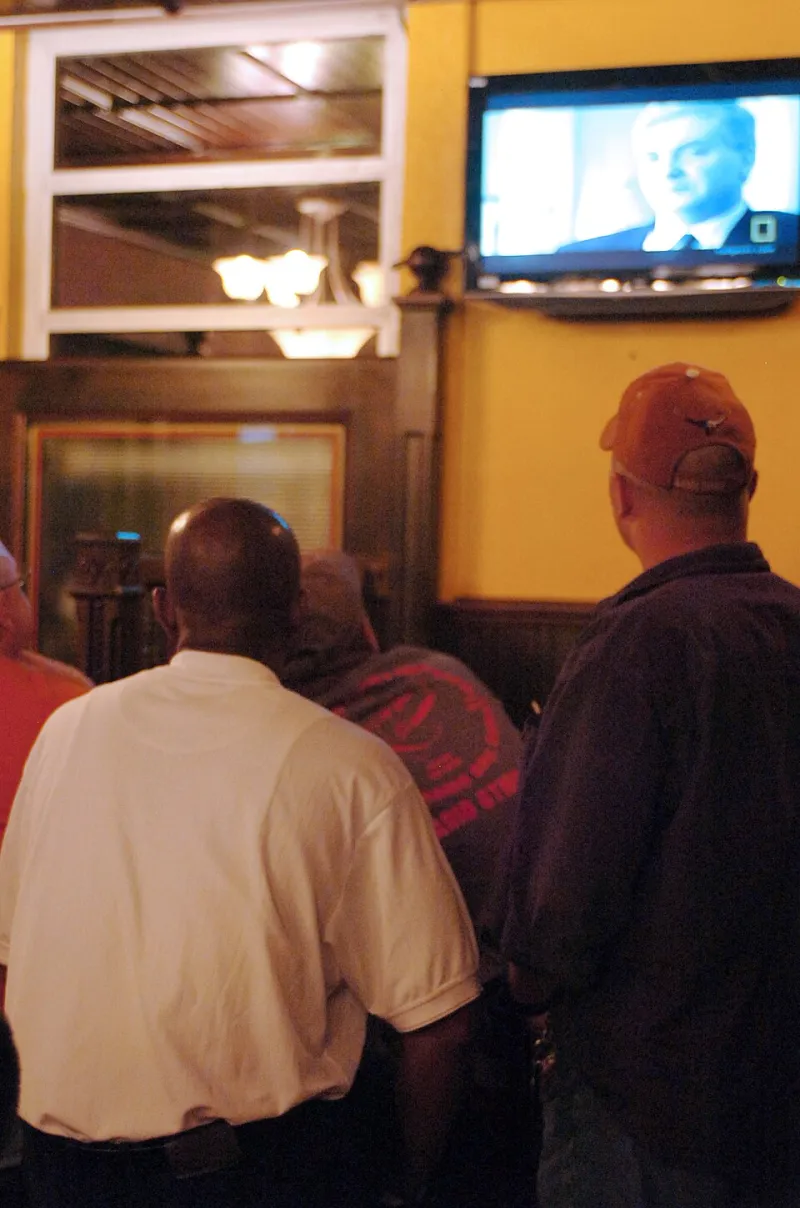
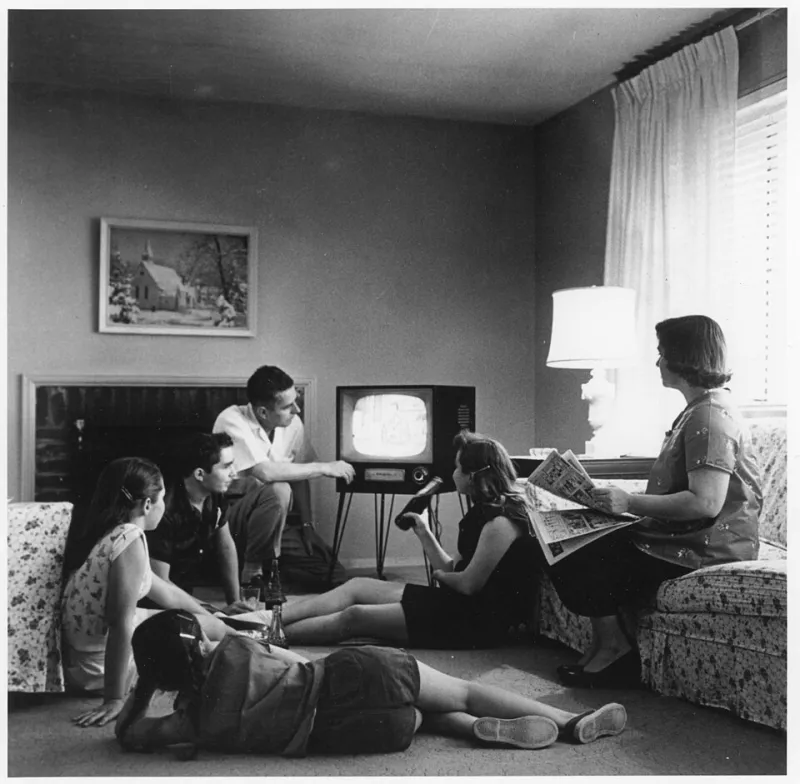
Photo: Unknown authorUnknown author, Public domain, via Wikimedia Commons
Somewhere along the way, turning on the captions stopped being a thing you did because you had to and became a thing you do because you want to. No press release announced it. No platform bragged about it. It just happened, one living room at a time, until captions went from a niche toggle buried four menus deep to something close to the default state of American television watching.
Ask around and you'll get the same answer in different words: I can't watch anything without them anymore. Ask why, and the reasons splinter.
The Mix Is the Problem
Start with the audio, because that's where most people start. Modern series are mixed for a fantasy home theater — center channel forward, score swelling underneath, dialogue tucked into a narrow band that gets buried the second your room isn't acoustically perfect. Most of us are watching in rooms with dishwashers, dogs, neighbors, and a partner who wants to know what just happened.
So the volume goes up during conversation and down during the car chase, back and forth, until you give up and hit the little speech bubble. Captions solve a mix problem that viewers never asked for and can't fix from the couch.
The Phone Changed the Room
Then there's where we watch. A huge share of streaming now happens on a phone, on a train, in a cubicle, in bed next to someone already asleep. Sound is often off entirely, or piped through one earbud at 30 percent. In those moments captions aren't a preference — they're the only way the scene exists at all.
Social video trained the habit further. Every clip in your feed arrives pre-captioned, with word-by-word highlighting and emoji punctuation, because autoplay is silent and silent video that doesn't explain itself dies in the first second. We spent years reading our feeds. Reading our shows was the obvious next step.
Auto-Captions Made It Normal
It's worth crediting the least glamorous tech in the stack: automatic captioning. It used to be a punchline — garbled, mistimed, occasionally inventing characters. Then it got good enough that nobody thinks twice, and once a feature is good enough that nobody thinks twice, it stops being a feature and becomes furniture.
YouTube's ubiquity did a lot of the cultural work here. If the video platform everyone lives on has captions available by default, the expectation travels. Viewers stop treating captions as an accommodation and start treating them as part of the picture.
What Creators Are Doing About It
Here's where it gets interesting for anyone who makes things. Creators have started treating captions as a design layer rather than a compliance box.
- Styled burn-ins. Big, branded, animated subtitles baked into the frame, because a meaningful chunk of the audience will never enable the toggle.
- Caption-first pacing. Lines written shorter, jokes landing on the beat of the text rather than the delivery.
- Horizontal-safe text. Words placed where a phone's native player won't cover them with its own captions.
- Cleaner dialogue. Some channels now write scripts that read well, not just sound good — a small shift with real consequences.
Streamers are following, slowly. Better caption customization, less jarring font placement, fewer cases where the subtitle spoils the punchline two seconds early.
What It Means for Dialogue-First Storytelling
There's a real tension here for anyone who loves a talky show. When a big share of the audience is reading, writers get a strange new incentive: every line has to survive on the page as well as in the performance. Overlapping dialogue, muttered asides, and the kind of conversational realism that rewards a good pair of headphones become riskier bets.
The upside is accessibility by accident. Deaf and hard-of-hearing viewers spent decades pushing for captions that everyone else now takes for granted. That's not nothing — it's arguably the biggest quiet win in streaming of the past several years.
The risk is that we sand down the messy, mumbly, sound-forward television that made the medium interesting in the first place. Captions are a great safety net. They're a lousy excuse for a bad mix.
The Bottom Line
If you're reading this with the subtitles on, you're not weird — you're the majority now. The interesting question isn't whether captions won. It's whether the industry treats that as permission to keep mixing dialogue into mush, or as a nudge to make the sound worth hearing again.
Until then, the little speech bubble stays on. Probably permanently.