Press Play Together: The Surprising Return of the Long-Distance Movie Night
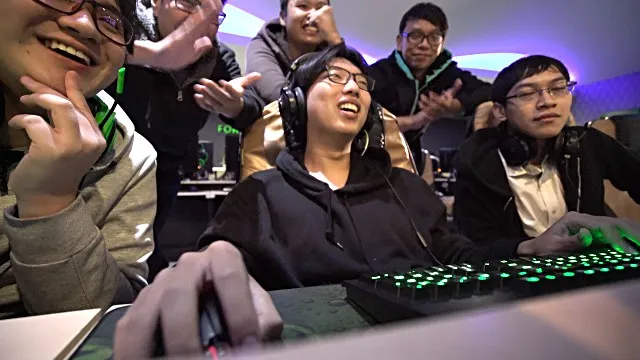
Photo: Lyncconf Games, CC BY-SA 4.0, via Wikimedia Commons
Somewhere along the way, watching TV became the loneliest thing Americans do together.
We all got our own accounts, our own queues, our own algorithms. Streaming promised freedom — watch what you want, when you want, at whatever pace your attention span allows. And we took it. Then, somewhere around the third consecutive year of watching shows alone at 1 a.m. with our phones face-down on the couch, a lot of people started to wonder what exactly they'd won.
The answer, increasingly, is to log back in — together.
The Sync Revolution
The technical problem with group streaming was always simple: everyone's play button starts at a different millisecond, and nothing kills a movie night like someone laughing at a scene that hasn't happened yet for the rest of the room.
Browser extensions like Teleparty (formerly Netflix Party) solved this by synchronizing playback across viewers and adding a group chat sidebar. Discord took a different route with screen sharing and its native Watch Together features, letting friends pile into a voice channel and stream whatever's on someone's screen. Apps like Scener and TwoSeven built entire living rooms around the concept — synced playback, video chat, and support for a growing list of services.
The pandemic poured gasoline on all of it. When the country locked down, the watch party went from a novelty to a lifeline. And here's the interesting part: the habit mostly stuck. Synchronized viewing didn't retreat when theaters reopened. It just became part of how long-distance relationships — romantic, platonic, familial — actually operate.
Why We Crave the Shared Screen
There's real research behind the pull. Co-viewing amplifies emotion; laughs hit harder with other laughs in the room, even digital ones. Psychologists have long noted that shared experiences feel more intense and more memorable than solo ones, and entertainment is no exception.
There's also the cultural compression problem. When everyone watches on their own schedule, the water-cooler moment dies. Nobody can discuss the finale because nobody's seen it — or they have, three weeks ago, and you're only on episode four. Watching together on a schedule, even an informal one, rebuilds the shared timeline that made appointment television feel like an event.
And honestly? Some of it is just loneliness. The Surgeon General's advisory on the American loneliness epidemic made headlines for a reason. A synced stream with a group chat is not a substitute for a living room full of friends. But it's a lot better than nothing, and everyone involved knows it.
The Tools, Ranked
If you're planning a long-distance movie night, here's the honest rundown:
1. Discord — The best all-rounder if your group already lives there. Voice chat quality is excellent, and screen sharing is dead simple. The catch: streaming a movie over screen share technically bends most platforms' terms of service, and quality can vary with your internet.
2. Teleparty — The smoothest option for supported services like Netflix, Hulu, Disney+, and Max. Real sync, real chat, minimal setup. Downside: chat only, no video or voice, so you're texting your reactions like it's 2015.
3. Scener — The premium experience: synced playback plus integrated video chat, with broad platform support. Slightly more setup friction, but closest to actually sitting on the same couch.
4. Amazon Watch Party / platform-native features — When available, built-in options beat third-party hacks on reliability. Coverage is spotty, so check before you commit.
5. The countdown method — Three, two, one, press play. Ancient, imperfect, weirdly charming. Works for anything, syncs nothing, and someone will always be thirty seconds behind.
The New Appointment TV
What's emerging isn't a return to the old broadcast model — nobody's gathering at 8 p.m. on a Thursday because a network said so. It's something looser and more personal: small groups, chosen shows, shared clocks. The schedule is social, not corporate.
For a platform-agnostic generation that grew up believing watching was a solo activity, that's a quiet little revolution. The screen didn't isolate us after all. We just needed to figure out how to share it.